Public Opinion and Public Support in Crisis Management
This article examines how public opinion and electoral incentives shape crisis management responses by political leaders, especially U.S.
Why It Matters
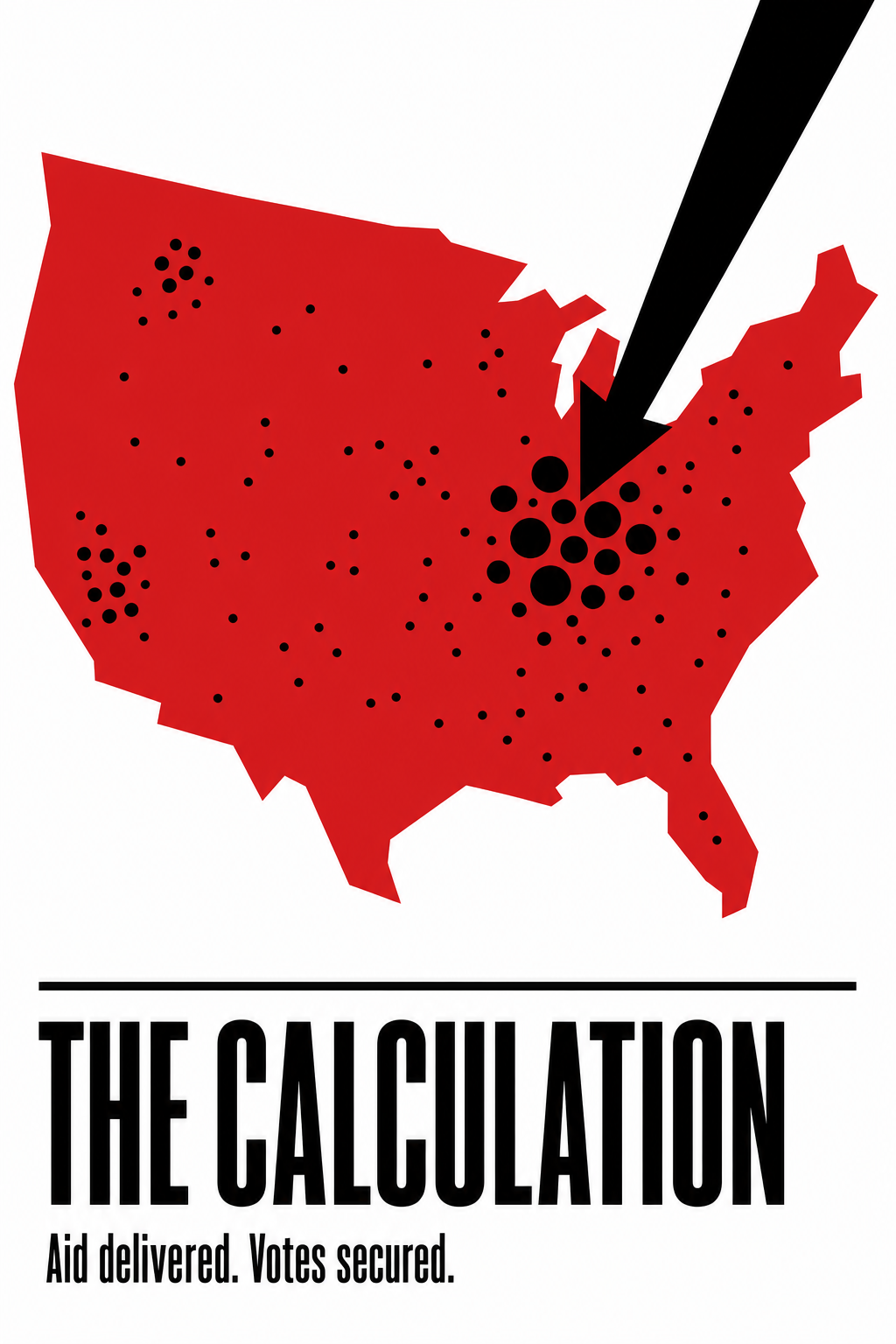
The publication begins with a motivating question: How do public opinion and electoral incentives influence crisis management and governmental responses, particularly by the American president, in the context of natural hazards?
Its central contribution is to show that this article examines how public opinion and electoral incentives shape crisis management responses by political leaders, especially U.S.
It matters because the findings connect institutional choices to the way authority, public responsibility, and political behavior are experienced in practice.
Key Findings
- Presidents are incentivized to target disaster aid to electorally valuable voters rather than distributing aid universally (page 1, 9, 10).
- Voters tend to reward incumbents for disaster response, especially when federal aid is declared, regardless of whether the disaster was preventable (pages 1, 6, 7, 9, 10).
- Electoral institutions like the Electoral College encourage presidents to focus on swing states and core constituencies in disaster declarations (pages 9, 10).
- Voters often cannot distinguish between random events and leader competency, leading to both rational and emotional voting responses (pages 6, 7, 8).
- Similar patterns of mass and elite response to crises are observed in other democracies and autocracies, though mechanisms may differ (pages 11, 12).
Research Design
- Design
- Chapter
- Geography
- United States (primary focus), with references to other democracies and autocracies
Full Abstract
In times of crisis, citizens look to their leaders for aid and assistance. In the democratic context, the focal figure is likely the chief executive accountable to the whole of the nation. With a specific focus on the American president and the incidences of natural hazards, public opinion and governmental response to these crises are analyzed. While one may expect such a universal actor to aid each according to their need, new scholarship finds that voter behavior and electoral institutions incentivize the president to support only a small slice of the electorate. Empowered by federal disaster relief legislation in the 1950s, the president targets electorally valuable voters when disbursing aid or allocating resources in response to disaster damage. Voters in those areas respond myopically and tend to vote for the incumbent for reasons ranging from economic to emotional. Thus, elites anticipate voter reactions and strategically respond to disasters to mitigate blame or punishment for the event and capitalize on an opportunity for electoral gains.
Citation
Ang, Zoe, Benjamin Noble, and Andrew Reeves. 2021. "Public Opinion and Public Support in Crisis Management." In The Oxford Encyclopedia of Crisis Analysis, edited by Eric Stern. New York, NY: Oxford University Press. https://doi.org/10.1093/acrefore/9780190228637.013.1544
- Venue
- The Oxford Encyclopedia of Crisis Analysis
- DOI
- 10.1093/acrefore/9780190228637.013.1544