Make it Rain? Retrospection and the Attentive Electorate in the Context of Natural Disasters
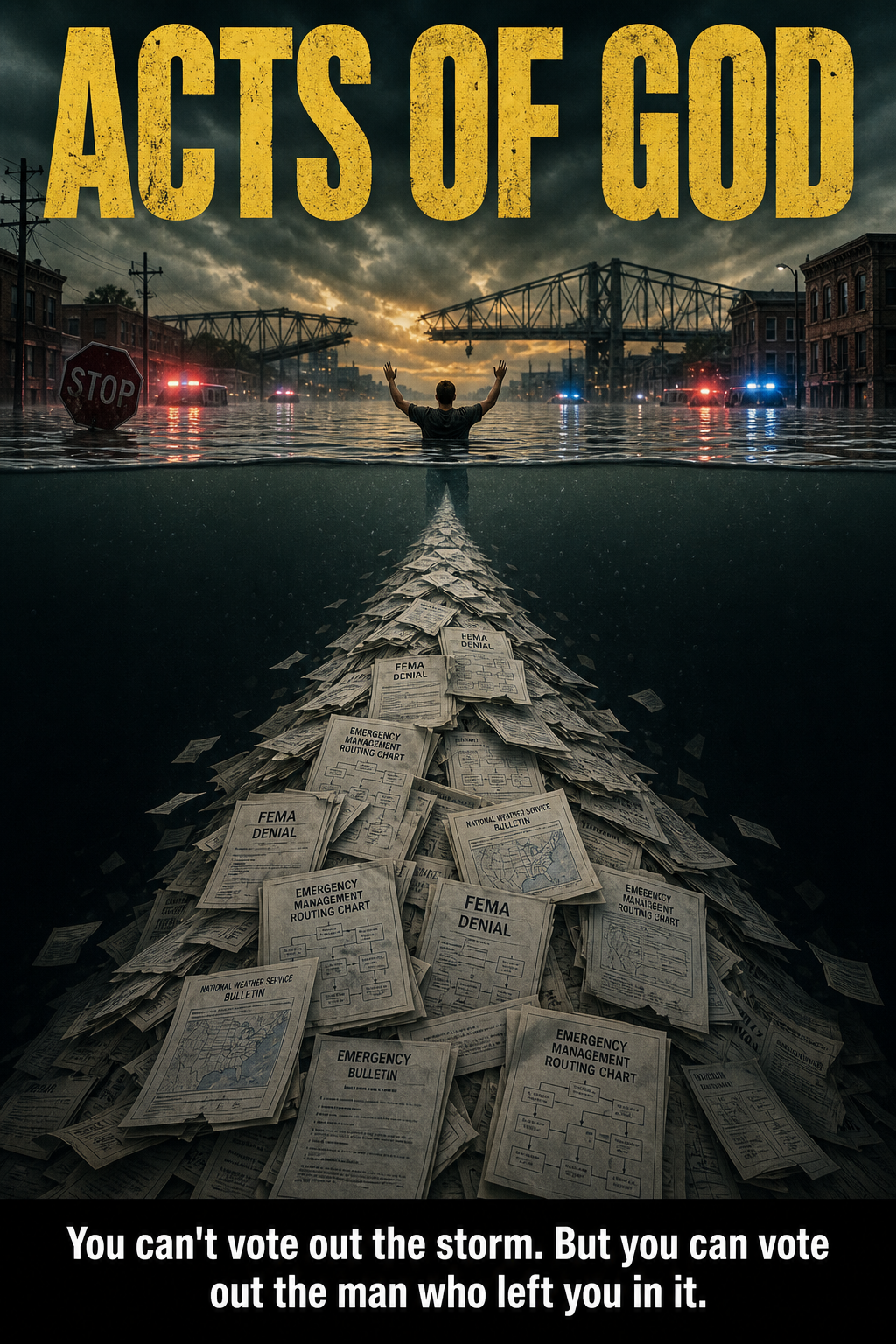
Voters punish presidents and governors for severe weather damage, but reward or punish them more strongly based on their actions in response to disasters, demonstrating that electorates can distinguish between random events and government responsibility.
Why It Matters
The publication begins with a motivating question: Do voters distinguish between random events (like natural disasters) and the actions of politicians in response to those events when evaluating incumbents in elections?
Its central contribution is to show that voters punish presidents and governors for severe weather damage, but reward or punish them more strongly based on their actions in response to disasters, demonstrating that electorates can distinguish between random events and government responsibility.
It matters because the findings connect institutional choices to the way authority, public responsibility, and political behavior are experienced in practice.
Key Findings
- Voters punish both presidents and governors for severe weather damage.
- Voters reward both presidents and governors for disaster declarations (government response).
- When a governor requests federal disaster aid and the president denies it, the president is punished and the governor is rewarded at the polls.
- The effect of government response outweighs the effect of the disaster itself on electoral outcomes.
- Electorates are able to attribute responsibility based on the defined roles of governors and presidents.
Research Design
- Design
- Article
- Data
- Spatial Hazards Events and Losses Database for the United States (SHELDUS); Public Entity Risk Institute (PERI); FEMA disaster declaration data; U.S. Census Bureau
- Geography
- United States (county-level analysis)
- Time Period
- 1970 to 2006
- Unit of Analysis
- county-year
- Methods
- County-level quantitative analysis of gubernatorial and presidential election results from 1970 to 2006.; Regression models with county and year fixed effects.; Use of disaster damage data (SHELDUS), disaster declaration data (PERI, FEMA), and controls for income and previous vote share.
Full Abstract
Are election outcomes driven by events beyond the control of politicians? Democratic accountability requires that voters make reasonable evaluations of incumbents. Although natural disasters are beyond human control, the response to these events is the responsibility of elected officials. In a county-level analysis of gubernatorial and presidential elections from 1970 to 2006, we examine the effects of weather events and governmental responses. We find that electorates punish presidents and governors for severe weather damage. However, we find that these effects are dwarfed by the response of attentive electorates to the actions of their officials. When the president rejects a request by the governor for federal assistance, the president is punished and the governor is rewarded at the polls. The electorate is able to separate random events from governmental responses and attribute actions based on the defined roles of these two politicians.
Citation
Gasper, John T., and Andrew Reeves. 2011. "Make It Rain? Retrospection and the Attentive Electorate in the Context of Natural Disasters." American Journal of Political Science 55(2): 340–355. doi:10.1111/j.1540-5907.2010.00503.x
- Venue
- American Journal of Political Science
- Volume
- 55
- Issue
- 2
- Pages
- 340–355
- DOI
- 10.1111/j.1540-5907.2010.00503.x