Political Disaster: Unilateral Powers, Electoral Incentives, and Presidential Disaster Declarations
Presidents are more likely to issue disaster declarations to electorally competitive states, especially after the 1988 Stafford Act, and are rewarded electorally for doing so.
Why It Matters
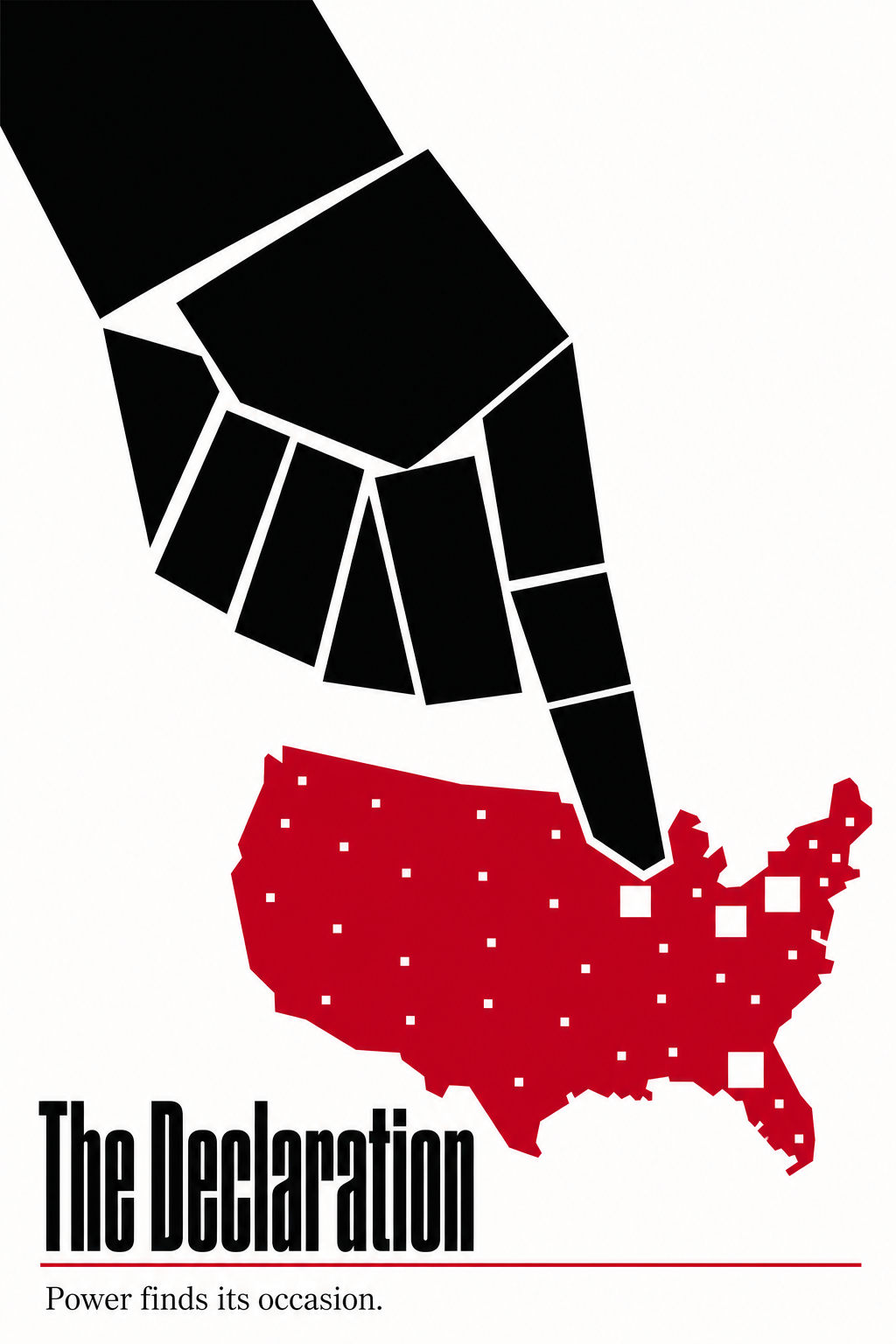
The publication begins with a motivating question: Do presidents use their unilateral power to issue disaster declarations for electoral advantage, and does this strategy yield electoral rewards?
Its central contribution is to show that presidents are more likely to issue disaster declarations to electorally competitive states, especially after the 1988 Stafford Act, and are rewarded electorally for doing so.
It matters because the findings connect institutional choices to the way authority, public responsibility, and political behavior are experienced in practice.
Key Findings
- A state’s electoral competitiveness significantly increases its likelihood of receiving a presidential disaster declaration after the 1988 Stafford Act.
- Competitive states can expect about twice as many disaster declarations as uncompetitive states.
- Presidents receive measurable electoral rewards (over a one-point increase in statewide vote share) for issuing disaster declarations.
- There is no significant relationship between competitiveness and disaster declarations before 1988.
Research Design
- Design
- Article
- Data
- FEMA disaster declaration records (1981–2004); Insurance Services Office (ISO) Property Claims Service data on disaster damage; State-level electoral data (vote shares, competitiveness); Economic data (personal income); Partisan composition of state governments
- Geography
- United States (all 50 states)
- Time Period
- 1981–2004
- Unit of Analysis
- state-year
- Methods
- Quantitative analysis of nearly 1,000 presidential disaster declarations from 1981 to 2004.; Poisson regression and related statistical models to estimate the effect of state competitiveness and other variables on disaster declarations.; Analysis of presidential election outcomes to estimate the electoral impact of disaster declarations.
Full Abstract
This article argues that presidents use unilateral powers for particularistic aims to gain electoral support, focusing on presidential disaster declarations. An analysis from 1981 to 2004 finds that a state’s electoral competitiveness influences the likelihood of receiving a disaster declaration, especially after the 1988 Stafford Act expanded presidential powers. Competitive states can expect more disaster declarations, and these decisions yield electoral benefits for presidents, who are rewarded at the ballot box for issuing such declarations.
Citation
Reeves, Andrew. 2011. "Political Disaster: Unilateral Powers, Electoral Incentives, and Presidential Disaster Declarations." The Journal of Politics 73(4): 1142–1151. doi:10.1017/S0022381611000843.
- Venue
- The Journal of Politics
- Volume
- 73
- Issue
- 4
- Pages
- 1142–1151
- DOI
- 10.1017/S0022381611000843