The Politics of Disaster Relief
This essay reviews research on how voters and politicians in the United States respond to severe weather events, highlighting key findings and future research directions in the politics of disaster relief.
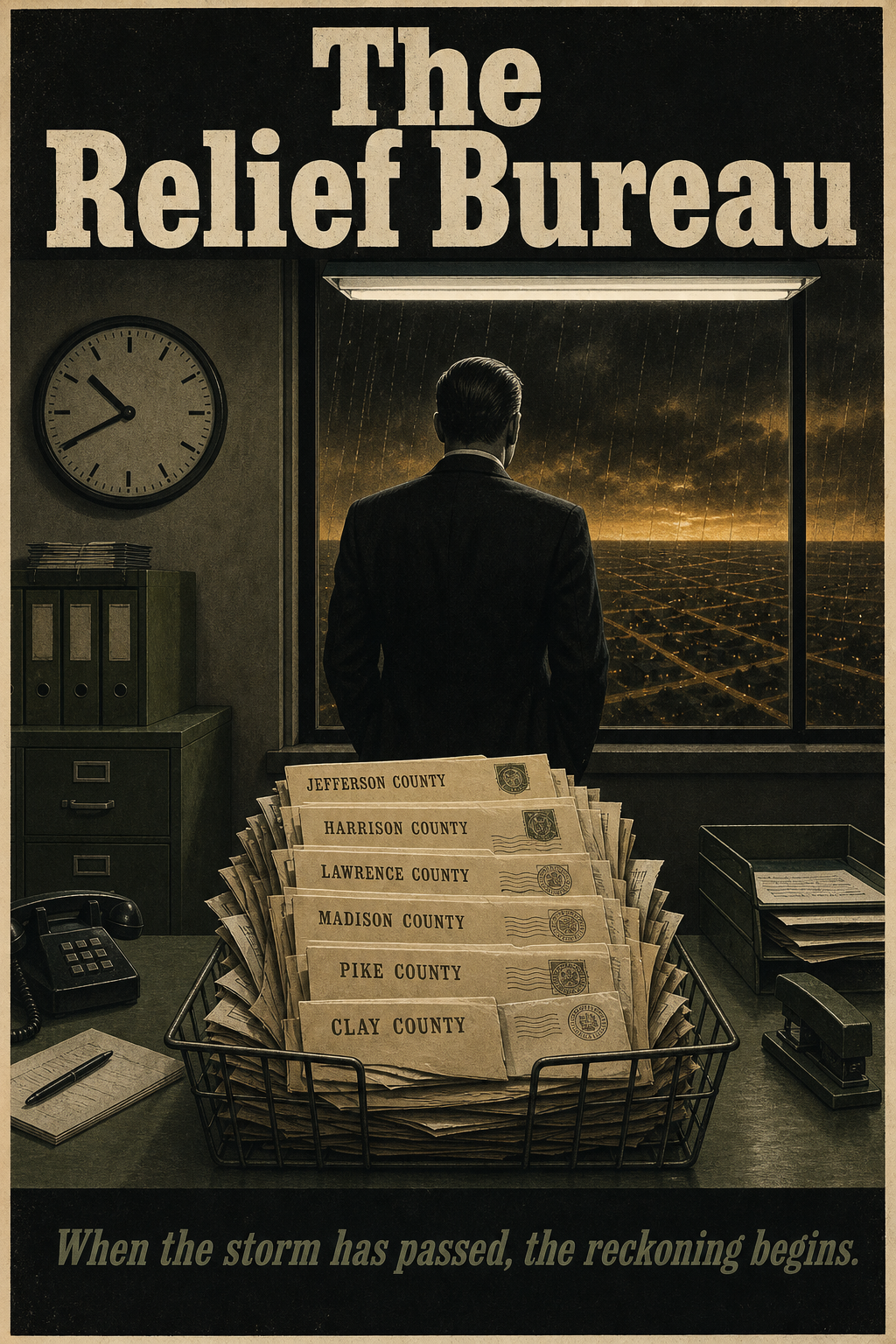
Why It Matters
The publication begins with a motivating question: How do voters and politicians in the United States respond to severe weather events, and what are the key dynamics and unresolved issues in the politics of disaster relief?
Its central contribution is to show that this essay reviews research on how voters and politicians in the United States respond to severe weather events, highlighting key findings and future research directions in the politics of disaster relief.
It matters because the findings connect institutional choices to the way authority, public responsibility, and political behavior are experienced in practice.
Key Findings
- Voters sometimes hold politicians accountable for natural disasters, but are more likely to reward politicians for disaster relief than for prevention.
- Politicians' responses to disasters can influence electoral outcomes, and political factors can affect the allocation of disaster relief.
- Recent research uses improved data and methods to better understand voter and politician behavior after disasters.
- There remain unresolved questions about the rationality of voter responses and the incentives created for politicians.
Research Design
- Design
- Chapter
- Geography
- United States
- Methods
- Literature review of foundational and recent studies on disaster relief politics.
Full Abstract
This essay provides an overview of the research on the politics of disaster relief in the United States, focusing on the response of voters and politicians in the aftermath of severe weather events. It reviews foundational research, discusses recent advances, and addresses important issues for future research on this topic.
Citation
Oliver, A. J., & Reeves, A. (2015). The Politics of Disaster Relief. In R. Scott & S. Kosslyn (Eds.), Emerging Trends in the Social and Behavioral Sciences. John Wiley & Sons, Inc.
- Venue
- Emerging Trends in the Social and Behavioral Sciences
- Pages
- 1-8