The Electoral College and Presidential Particularism
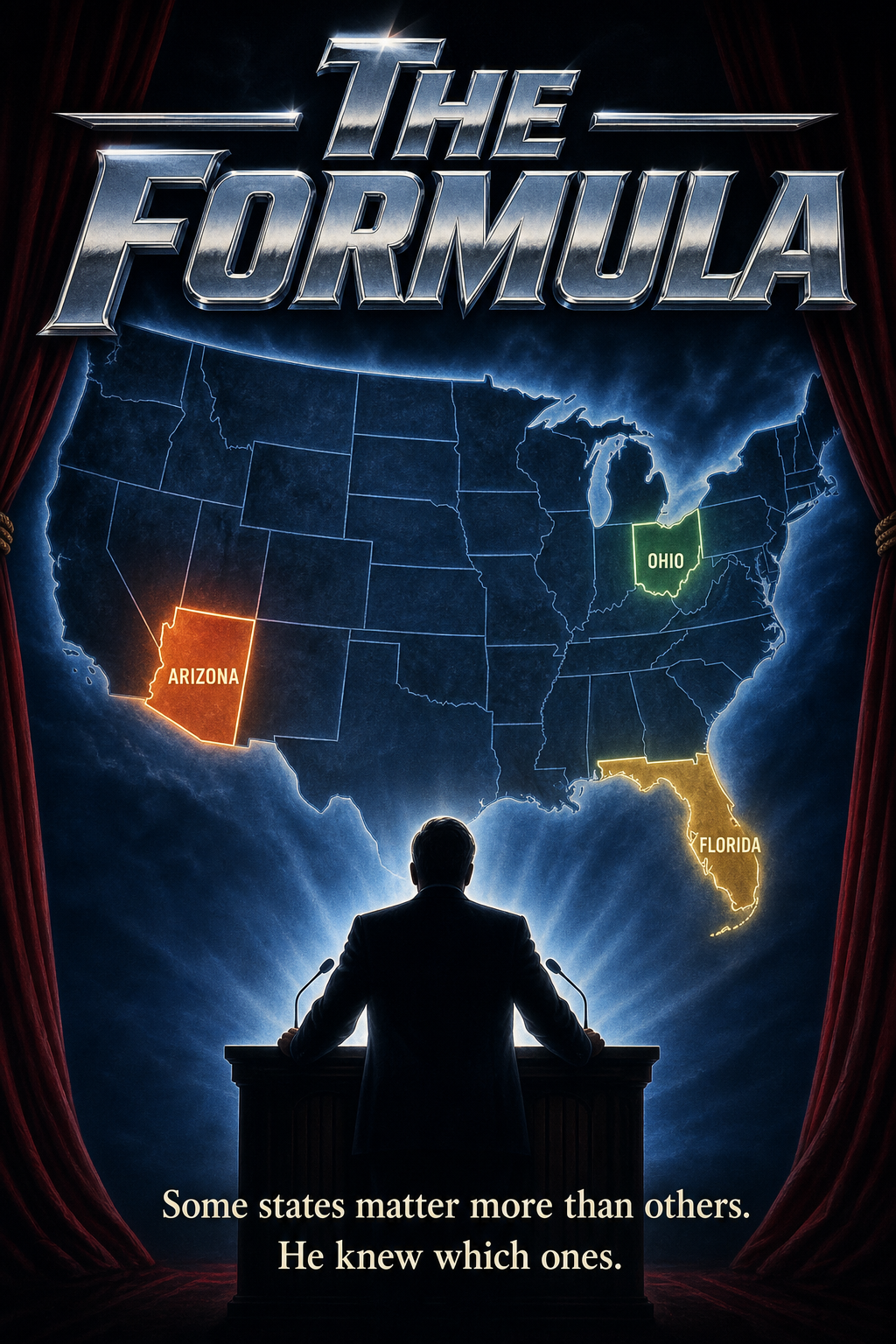
This article argues that the structure of the Electoral College incentivizes U.S.
Why It Matters
The publication begins with a motivating question: S. Presidents to engage in particularistic policies that disproportionately benefit politically important constituencies, rather than the national interest?
Its central contribution is to show that this article argues that the structure of the Electoral College incentivizes U.S.
It matters because the findings connect institutional choices to the way authority, public responsibility, and political behavior are experienced in practice.
Key Findings
- Presidents routinely pursue policies that disproportionately benefit voters in swing states due to the incentives created by the Electoral College.
- Empirical evidence shows that targeted federal spending, protectionist tariffs, and disaster declarations are more likely to benefit electorally important states.
- The incentives for presidential particularism have increased as presidential elections have become more competitive in recent decades.
- Delegating more authority to the President may not yield more nationally optimal policy outcomes, but rather shift particularism from Congress to the executive.
Research Design
- Design
- Article
- Data
- Survey data from Mechanical Turk respondents.; County-level data on federal grant spending and presidential vote share.; State-level data on disaster declarations and electoral competitiveness.
- Geography
- United States
- Time Period
- Primarily 1988-2012, with references to earlier and later periods for context
- Unit of Analysis
- County and state
- Methods
- Review of existing literature and empirical studies on federal grant allocation, disaster declarations, and tariffs.; Survey experiment on public support for targeted federal spending.; Analysis of county-level and state-level data on federal spending and electoral outcomes.
Citation
Douglas L. Kriner & Andrew Reeves, The Electoral College and Presidential Particularism, 94 Boston University Law Review 741-766 (2014).
- Venue
- Boston University Law Review
- Volume
- 94
- Pages
- 741-766